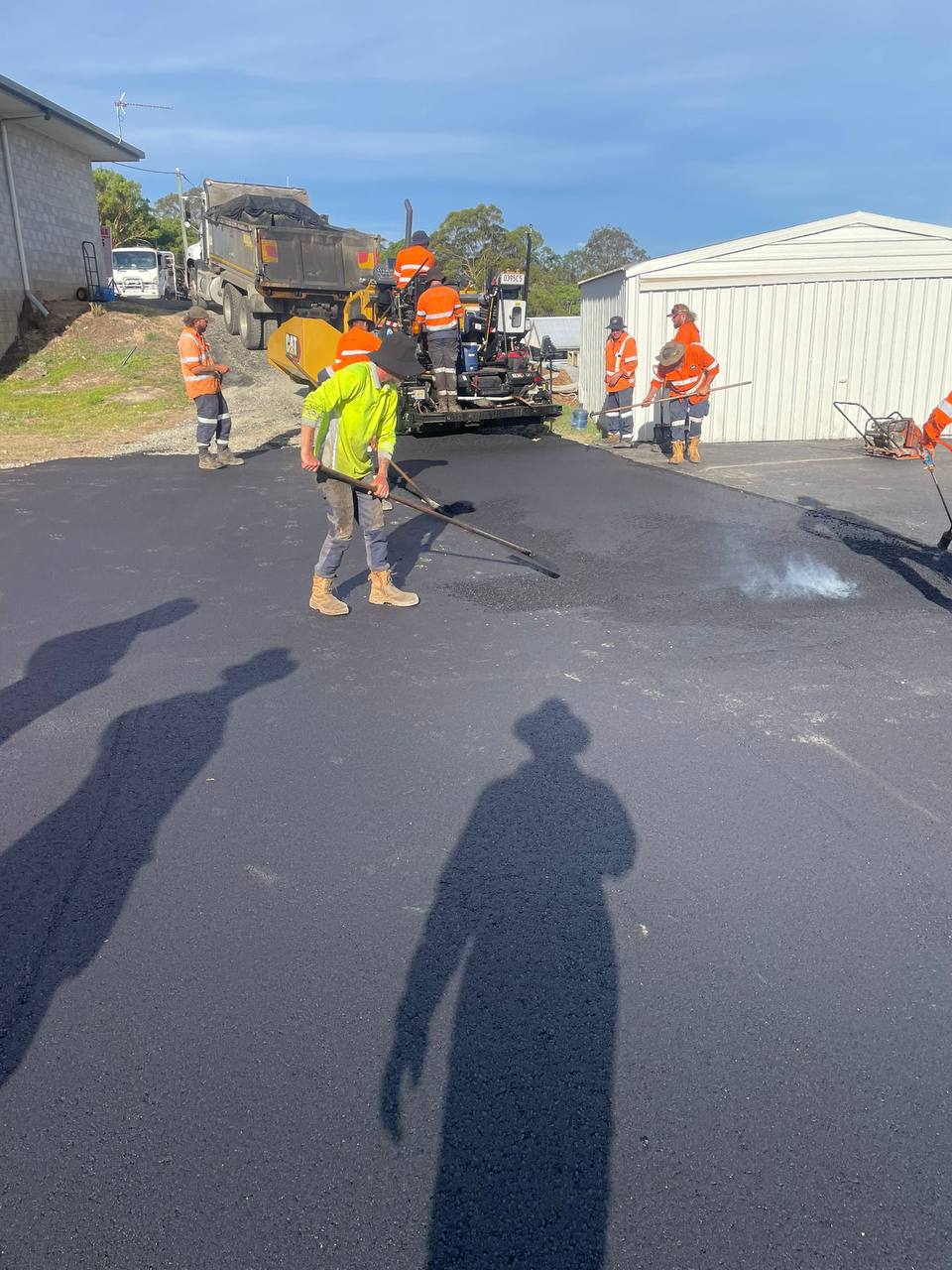
A well-constructed asphalt driveway provides a smooth, practical surface for everyday vehicle access while complementing the appearance of a residential or commercial property. Its durability, relatively quick installation and straightforward maintenance make asphalt a popular surfacing option for driveways that need to withstand regular use.
For property owners in Jimboomba, QLD, Australia, choosing the right driveway involves considering ground conditions, drainage, vehicle traffic and the local climate. Understanding how asphalt is installed and maintained can help you make an informed decision and protect the performance of your driveway over time. Jimboomba Surfacing Solutions can help you explore suitable surfacing options based on your property’s requirements.
What Are the Advantages of Asphalt Driveways?
Asphalt is a flexible surfacing material made from aggregates bound together with bitumen. When installed over a properly prepared base, it creates a continuous surface designed to support regular vehicle movements.
One of its main advantages is durability. A correctly constructed asphalt driveway can handle everyday traffic, including cars and light commercial vehicles, provided the pavement is designed for the expected loads. Its flexibility can also help it accommodate minor movement in the underlying structure, although proper foundations remain essential.
Asphalt offers a neat, uniform appearance that suits a range of property styles. Its dark finish creates a clear distinction between the driveway and surrounding landscaping, while its relatively smooth surface makes vehicle access and manoeuvring convenient.
Another benefit is that asphalt can generally be installed efficiently by an experienced surfacing contractor. This can help reduce disruption compared with some other driveway construction methods, although the actual installation and curing requirements depend on the project and site conditions.
Understanding the Asphalt Driveway Installation Process
The long-term performance of an asphalt driveway depends heavily on preparation. Even high-quality asphalt may deteriorate prematurely if it is laid over an unstable or poorly drained foundation.
Site Assessment and Ground Preparation
The first step is to assess the driveway area, including the existing ground, access requirements, slope and drainage. The contractor determines the necessary excavation and preparation to create a stable foundation.
Soft or unsuitable material may need to be removed, and the ground should be prepared to provide consistent support. Proper compaction helps reduce the risk of settlement, depressions and uneven surfaces developing after installation.
Sub-Base Construction
A suitable sub-base distributes vehicle loads and supports the asphalt layer above. Its thickness and composition should reflect the ground conditions and expected traffic.
This stage is particularly important where the driveway will accommodate frequent vehicle movements or heavier vehicles. A well-prepared foundation helps the finished surface remain stable under normal use.
Asphalt Laying and Compaction
Once the base is ready, the asphalt is laid to the required depth and levels. The material is then compacted to achieve a dense, even finish.
Careful attention to edges, transitions and drainage falls helps produce a driveway that functions properly as well as looking presentable. The surface should be allowed to cool and reach an appropriate condition before it is subjected to normal use, following the installer’s guidance.
How Jimboomba’s Climate Can Affect Asphalt Driveways
In Jimboomba, QLD, Australia, driveways may experience hot weather, intense sunlight and periods of heavy rainfall. These conditions make appropriate construction and routine maintenance particularly important.
High temperatures can soften asphalt, making it more vulnerable to scuffing or deformation under stationary or turning vehicles, especially if the surface is poorly constructed or subjected to excessive loads. Avoiding sharp, stationary turns where practical can help reduce unnecessary stress during hot conditions.
Heavy rainfall can expose weaknesses in drainage. Water that collects on the driveway or penetrates cracks may contribute to deterioration over time. Correct surface levels and effective water management help direct runoff away from the driveway and nearby structures.
Regularly checking the surface after periods of severe weather can help identify early signs of damage before they develop into more extensive problems.
Long-Term Asphalt Driveway Maintenance
Routine care helps preserve the appearance and performance of an asphalt driveway. Although asphalt is designed for regular use, it should not be treated as a maintenance-free surface.
Keep the Surface Clean
Remove leaves, soil and other debris regularly, particularly where material collects along edges or near drainage points. Keeping the driveway clear makes it easier to identify developing cracks, surface wear or drainage issues.
Oil and fuel spills should be cleaned up promptly using suitable methods, as petroleum-based substances can weaken the bitumen binder.
Inspect for Cracks and Surface Changes
Check the driveway periodically for cracks, loose aggregate, depressions and areas where water begins to collect. Small cracks can allow moisture to enter the pavement structure, potentially contributing to further deterioration.
Professional assessment can help determine whether a localised repair is appropriate or whether the underlying base needs attention. Simply covering a damaged area without addressing the cause may lead to recurring problems.
Address Drainage Problems Early
Standing water can indicate poor surface levels, blocked drainage or settlement beneath the asphalt. Investigating these issues early helps prevent continued exposure to moisture and further surface damage.
Depending on the condition of the driveway, maintenance may include crack repairs, localised resurfacing or more extensive reconstruction. The appropriate approach depends on the extent of the damage and the condition of the underlying foundation.
When Should You Consider Asphalt Driveway Repairs or Resurfacing?
Not every damaged driveway needs complete replacement. Isolated cracks or localised surface defects may be suitable for repair, while widespread cracking, deep depressions or recurring drainage problems may indicate more substantial structural issues.
Resurfacing can be an option when the existing pavement remains structurally sound but the surface has deteriorated. However, laying a new layer over a failing foundation is unlikely to provide a lasting solution.
A professional inspection can help identify the source of the damage and establish the most suitable way forward. Addressing the underlying cause is essential for achieving a reliable result.
Conclusion
Asphalt driveways offer a durable, practical and attractive surfacing solution when they are correctly designed, installed and maintained. For property owners in Jimboomba, QLD, Australia, attention to ground preparation, drainage and the effects of hot weather and heavy rainfall can make a significant difference to long-term performance.
With regular inspections and timely repairs, an asphalt driveway can continue to provide dependable access for years. If you are planning a new driveway or need advice about an existing surface, contact Jimboomba Surfacing Solutions to discuss your requirements and explore suitable options for your property.
Call us on: 07 3113 9392
Click here to find out more about Jimboomba Surfacing Solutions
Click here to complete our contact form and see how we can help with your driveways.