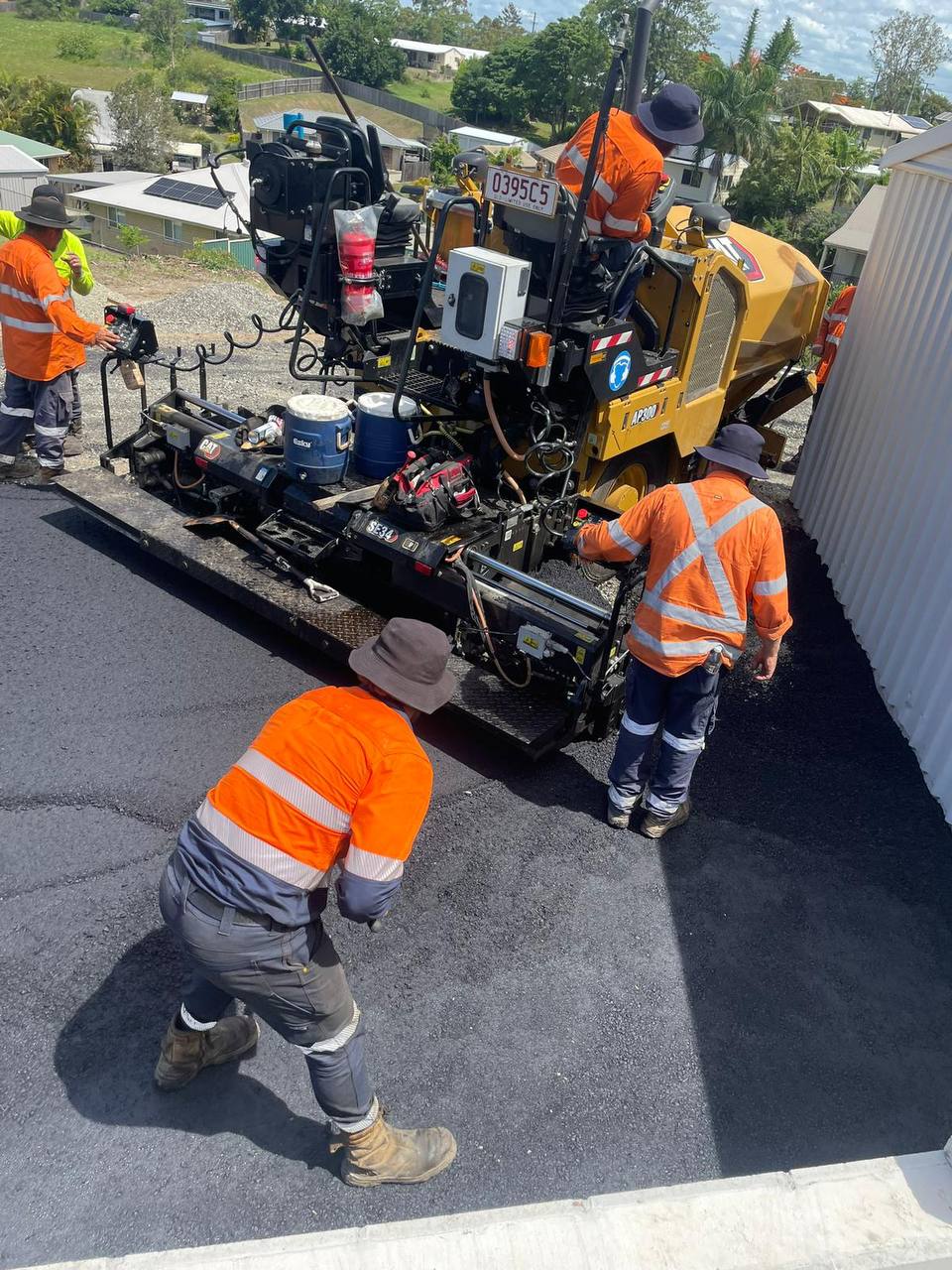
Understanding Asphalt Flexibility
Asphalt is widely recognised for its ability to deliver a durable and long-lasting surface, but one of its most important qualities is often overlooked—its flexibility. For property owners and businesses in Jimboomba, QLD, this characteristic plays a key role in reducing long-term cracking and maintaining surface performance over time.
Unlike rigid materials, asphalt is designed to move slightly under pressure. This flexibility allows it to respond to changes in temperature, ground movement, and traffic loads without immediately developing structural faults.
Why Cracking Occurs in Surfaces
Cracking is one of the most common issues in paved surfaces, and it typically results from stress that the material cannot absorb. This stress can come from:
- Temperature fluctuations causing expansion and contraction
- Movement in the underlying soil or base
- Repeated traffic loads over time
- Moisture entering and weakening the structure
In more rigid surfaces, these stresses often lead to visible cracks forming early in the surface’s life.
How Asphalt Flexibility Helps Prevent Cracking
Asphalt’s flexible nature allows it to distribute stress more evenly across the surface. Instead of concentrating pressure in one area, it absorbs and disperses the load, which reduces the likelihood of cracks forming.
Key ways flexibility improves performance include:
- Allowing slight movement without structural damage
- Adapting to minor ground shifts common in local conditions
- Reducing stress from daily vehicle use
- Minimising the impact of temperature changes
This ability to flex rather than fracture is particularly valuable in Jimboomba, QLD, where environmental conditions can vary and place ongoing demands on surface materials.
The Role of a Strong Foundation
While asphalt itself is flexible, its performance is heavily influenced by what lies beneath it. A properly prepared base provides stability while still allowing the asphalt layer to perform as intended.
Without adequate preparation, even flexible materials can experience premature cracking. This is why site assessment and groundwork are essential parts of any surfacing project.
Long-Term Benefits for Property Owners
Choosing a flexible surfacing solution like asphalt provides several long-term advantages:
- Reduced likelihood of major cracking issues
- Lower maintenance requirements over time
- Improved surface lifespan with consistent performance
- Better resistance to daily wear and tear
For both residential and commercial properties in Jimboomba, this translates to a surface that remains functional and visually consistent for longer.
Why Professional Installation Matters
Achieving the full benefits of asphalt flexibility depends on proper installation. Factors such as material quality, layer thickness, compaction, and drainage all influence how well the surface performs.
An experienced contractor understands how to tailor these elements to suit the specific conditions in Jimboomba, QLD. Attention to detail during installation ensures the asphalt can flex as intended, reducing the risk of early cracking.
Conclusion
Asphalt’s flexibility is one of its greatest strengths, allowing it to withstand stress, adapt to environmental changes, and reduce the likelihood of long-term cracking. For properties in Jimboomba, QLD, this makes it a practical and reliable choice for a wide range of applications.
When installed correctly, asphalt provides a balance of durability and adaptability that supports long-term performance. If you are planning a surfacing project, Jimboomba Surfacing Solutions can provide guidance based on local conditions to help you achieve a surface designed to last.
Call us on: 07 3113 9392
Click here to find out more about Jimboomba Surfacing Solutions
Click here to complete our contact form and see how we can help with your driveways.